Comparing Residential and Commercial Security Screens in Dallas, TX
Residential security screens prioritize aesthetics and ventilation for homes, while commercial installations emphasize heavy-duty construction and code compliance for businesses, making proper selection essential for Dallas, TX property protection.
Property owners searching for security screens near me in Dallas need to understand that residential and commercial applications require different specifications, installation approaches, and performance standards. While both types use stainless steel mesh technology, the engineering and regulatory requirements differ significantly based on property use and occupancy patterns.
The following comparison helps property owners select appropriate security screen solutions based on their specific protection needs and building requirements.
How Do Residential Security Screens Differ in Design?
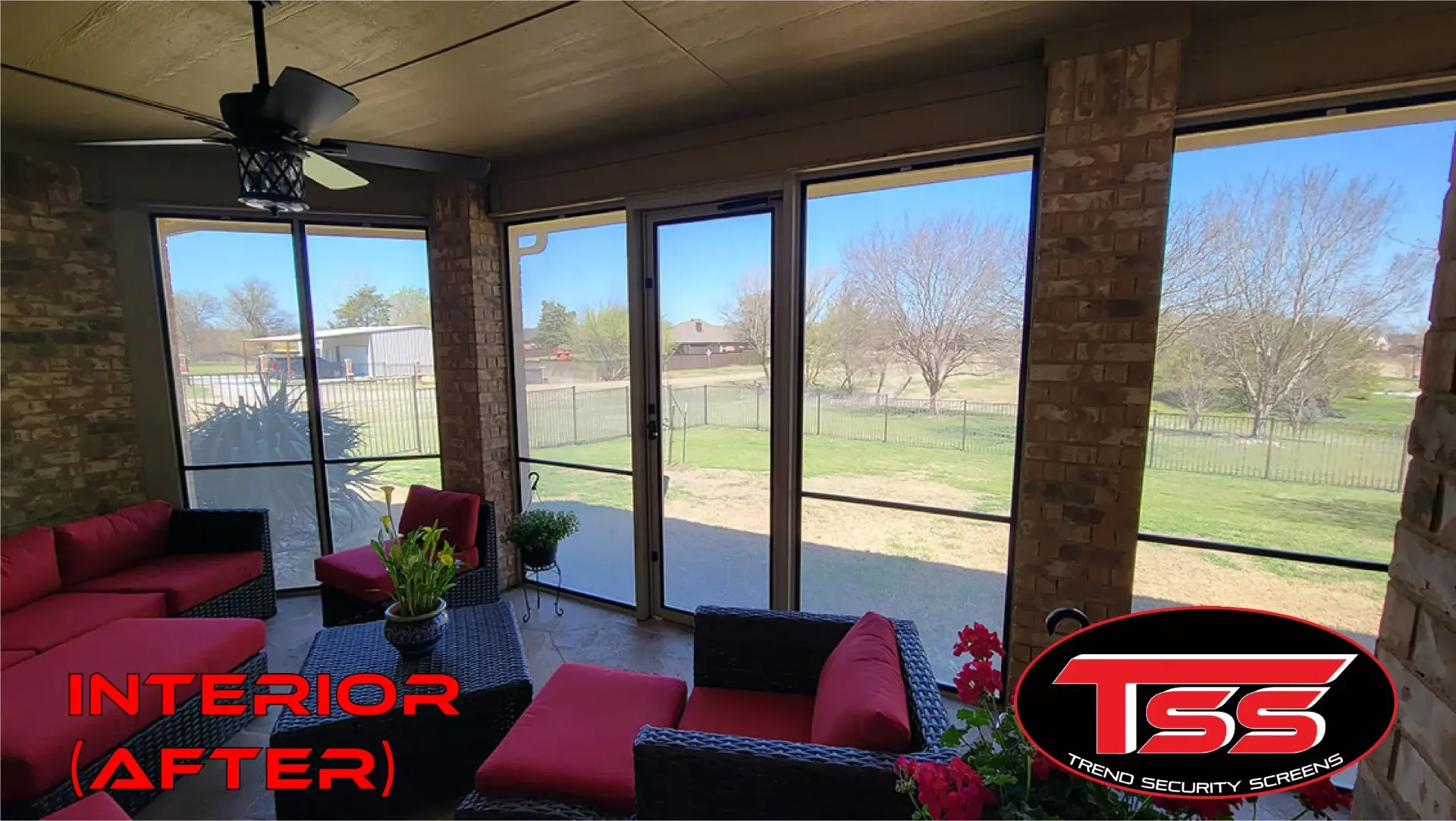
Residential security screens emphasize curb appeal with frame colors and mesh patterns that complement home architecture while providing break-in protection and natural ventilation for living spaces.
The screens install on standard window and door openings common in single-family homes, typically ranging from 24 to 72 inches in width. Manufacturers design residential products to blend with existing trim and siding, making them nearly invisible from street view.
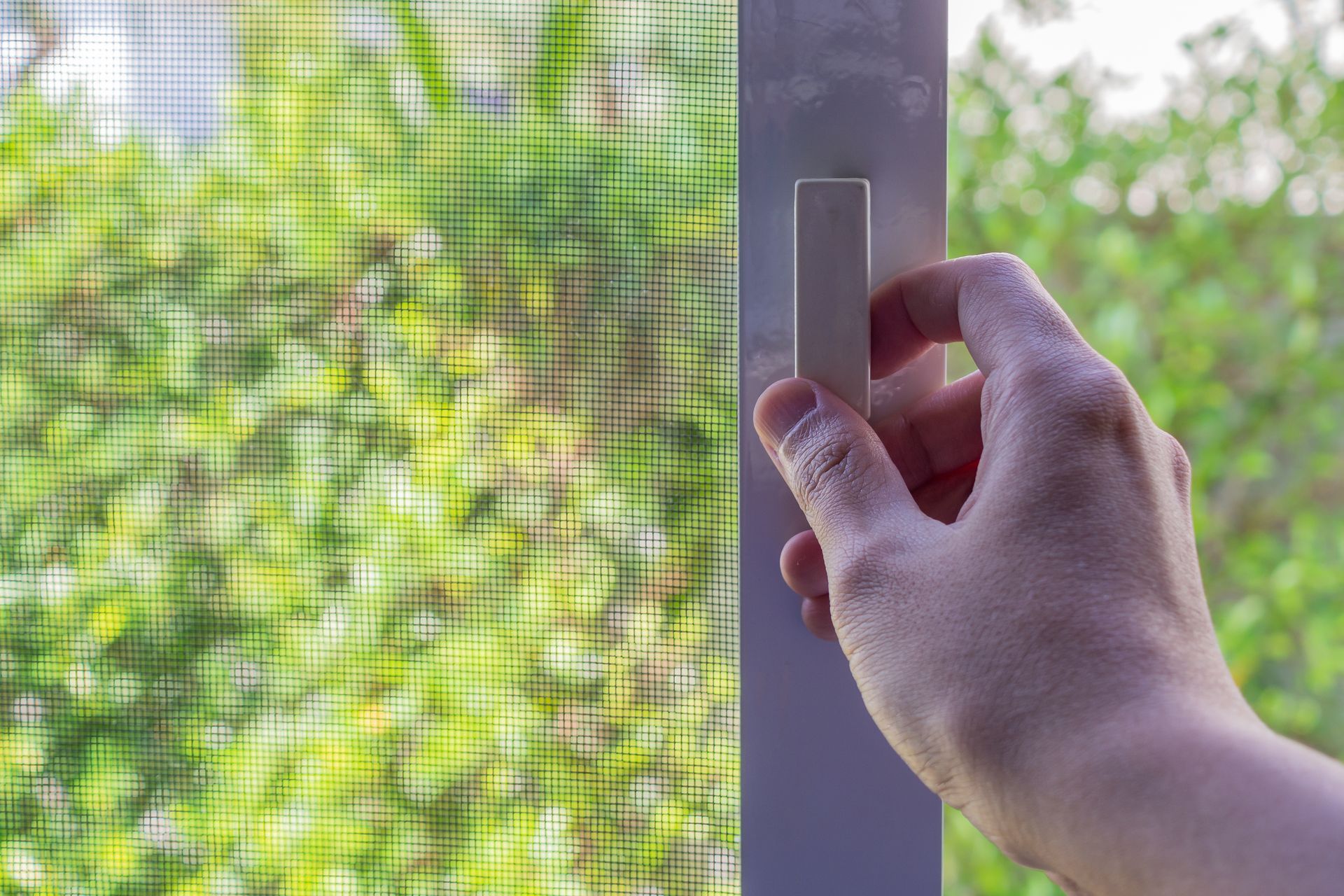
Residential installations also prioritize ease of operation for homeowners who open and close screens regularly for ventilation. Quick-release mechanisms allow emergency egress from bedrooms and other living areas, meeting fire safety codes specific to dwelling units.
What Makes Commercial Security Screens More Heavy-Duty?
Commercial security screens use thicker gauge stainless steel mesh and reinforced frames engineered to withstand sustained attack attempts and meet higher security ratings required for business insurance and liability coverage.
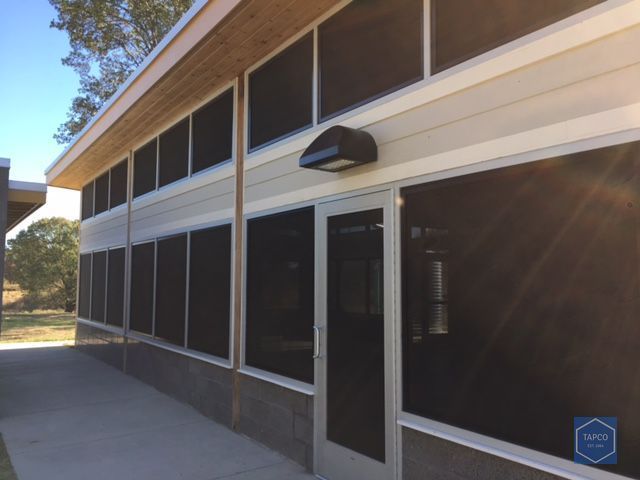
The screens protect larger openings common in retail storefronts, office buildings, and industrial facilities, often spanning 8 to 12 feet or more. Commercial installations must resist not only break-in attempts but also vandalism, graffiti, and deliberate damage that businesses face in high-traffic areas.
Frame construction for commercial applications includes additional mounting points and structural reinforcement to handle the stress of larger screen sizes and more frequent operation. The hardware typically features commercial-grade locking systems with key control and access management capabilities.
Do Installation Requirements Vary Between Property Types?
Commercial installations require compliance with building codes, ADA accessibility standards, and fire marshal regulations that do not apply to residential properties, adding complexity and inspection requirements to the process.
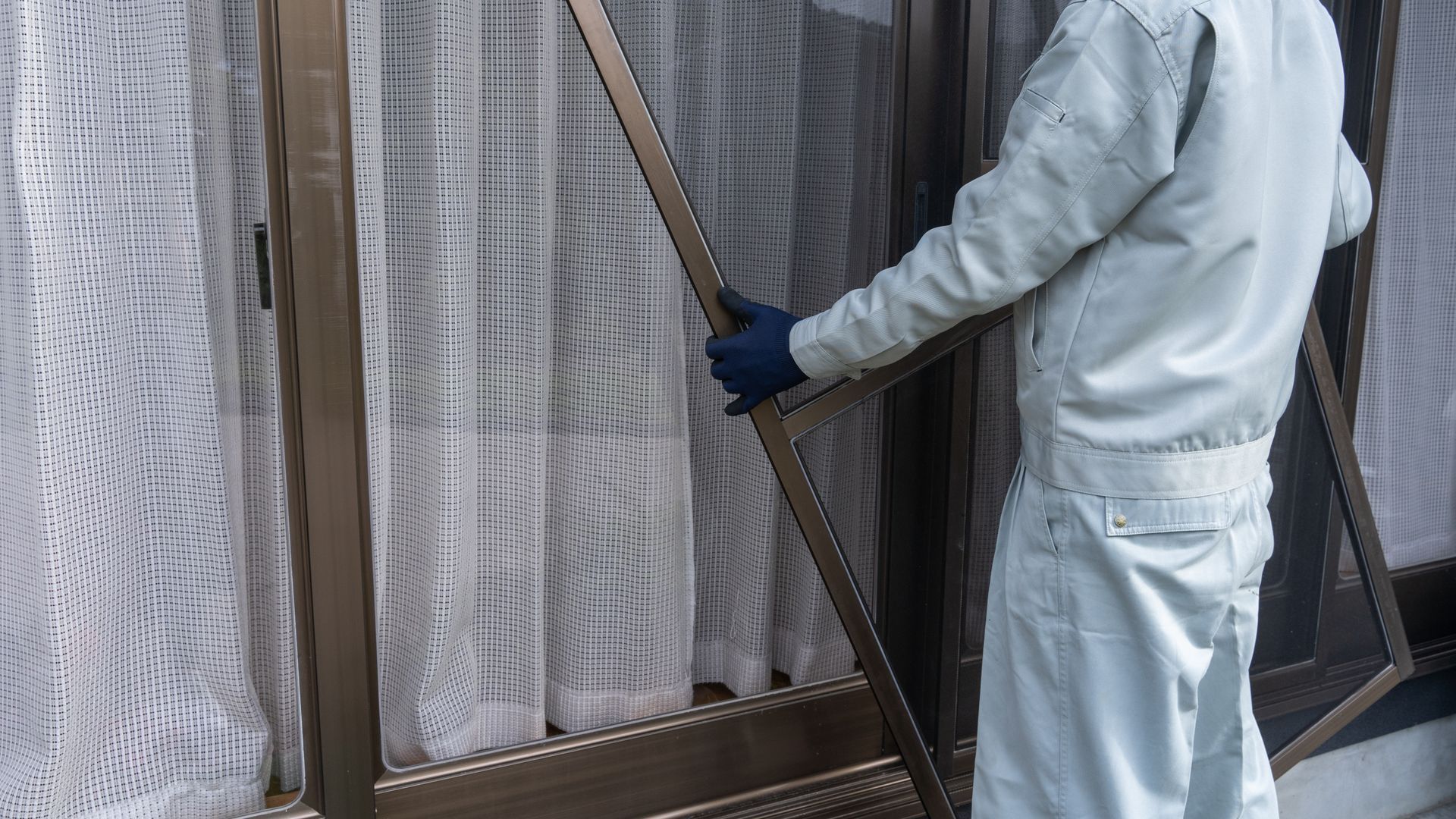
Installers must coordinate with property managers, tenants, and local authorities to ensure that security screens do not interfere with emergency exits, fire suppression systems, or required egress paths. This coordination extends project timelines and requires detailed planning before installation begins.
Residential installations follow simpler permitting processes focused primarily on structural attachment and fire egress from sleeping areas. Homeowners typically have more flexibility in screen placement and design choices compared to commercial property owners who must satisfy multiple stakeholders and regulatory agencies. Those considering commercial applications can find commercial security screen details in Dallas to understand specific requirements for business properties.
Which Security Features Matter Most for Businesses?
Commercial properties prioritize visible deterrence, rapid deployment, and integration with existing security systems including alarms, cameras, and access control platforms that monitor multiple entry points.
Retail businesses need security screens that protect merchandise displays while maintaining visibility for window shopping and brand presentation. Office buildings require solutions that secure ground-level access points without creating fortress-like appearances that deter clients and visitors.
Industrial facilities often need security screens that withstand harsh environments including chemical exposure, extreme temperatures, and heavy equipment operation. The screens must maintain functionality despite conditions that would degrade residential-grade products within months.
Can Residential Screens Work for Home-Based Businesses?
Home-based businesses operating in residential structures can typically use residential-grade security screens unless local zoning or business licensing requires commercial-grade installations for liability or insurance purposes.
Properties with frequent client visits or valuable inventory may benefit from commercial-grade screens even in residential settings, particularly for dedicated office or studio spaces. The decision depends on business type, traffic volume, and specific security risks the operation faces.
Homeowners should consult with insurance providers and local zoning authorities before selecting security screens for home-based businesses. Some policies require specific security measures for coverage, while zoning regulations may mandate commercial-grade installations for certain business activities conducted in residential areas.
How Do Dallas Building Codes Affect Screen Selection?
Dallas follows Texas building codes that specify different requirements for residential and commercial properties regarding fire egress, accessibility, and structural attachment methods that affect security screen installation.
Commercial properties must meet stricter standards for emergency exits, including panic hardware and unobstructed egress paths that remain accessible during business hours. Security screens cannot impede these requirements, necessitating specialized designs that satisfy both security and safety regulations.
Residential codes focus primarily on bedroom window egress and smoke detector placement, allowing more flexibility in security screen installation. However, homeowners in historic districts or properties with homeowner associations may face additional restrictions that affect screen appearance and placement. Property owners can explore residential security screen options in Dallas to understand how local regulations influence product selection and installation approaches.
Understanding the differences between residential and commercial security screens helps Dallas property owners select appropriate solutions that meet their specific protection needs and regulatory requirements. The right choice depends on property type, occupancy patterns, and local code compliance obligations.
Connect with Trend Security Screens to discuss whether residential or commercial security screen specifications best suit your Dallas property's protection requirements.